
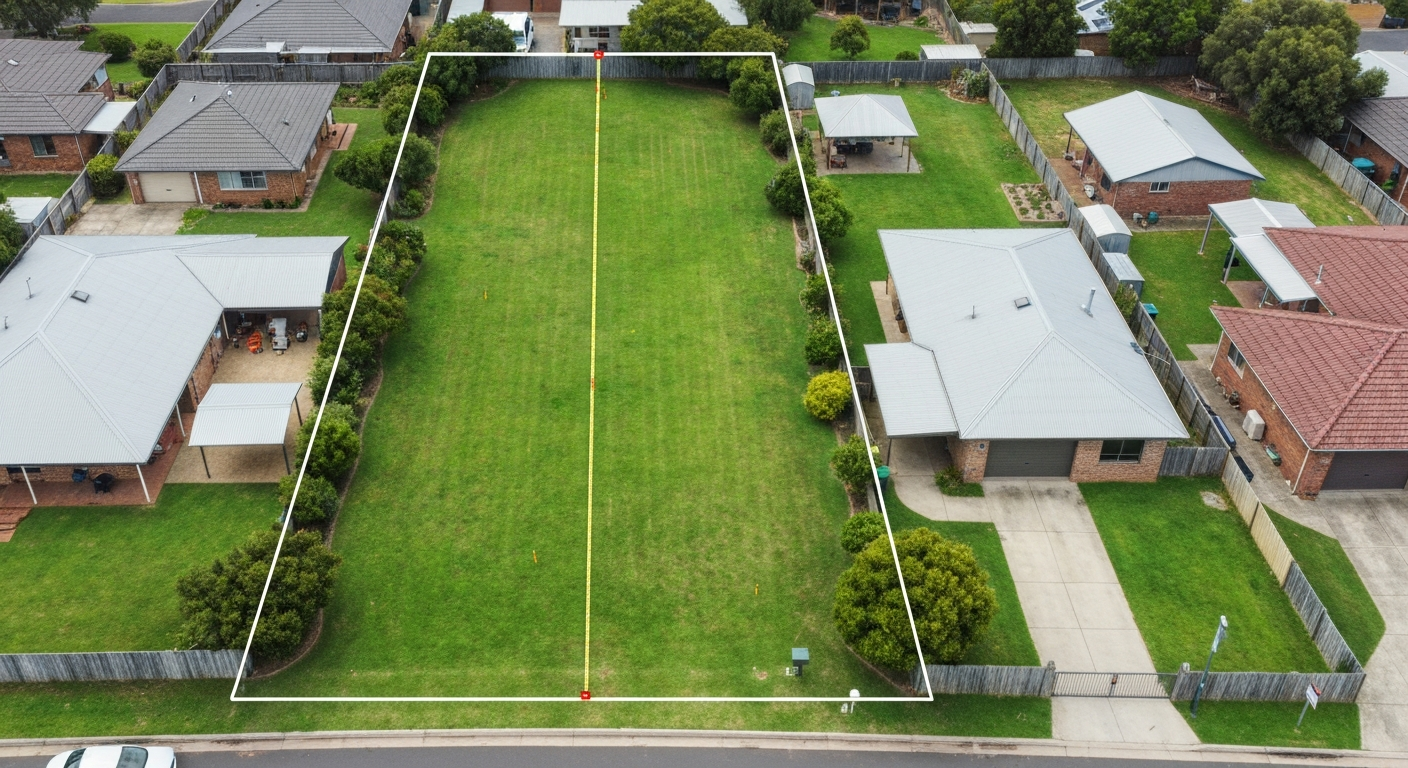
Subdividing property in Adelaide can be a strategic way to maximise the potential of land ownership, allowing property owners to create new allotments from their existing parcels of land. The minimum block size for subdivision in Adelaide is largely governed by local council regulations and can vary significantly depending on the specific council area. Generally, landowners can contemplate subdivision if their land meets the minimum size requirement, which often starts at 700 square metres, but this can differ based on various factors including zoning and the nature of the development.
Adelaide's development guidelines also require that larger subdivisions provide a certain percentage of the land for community use, such as parks, or pay an open space contribution fee. This requirement ensures that development considers the broader needs of the community, balancing private development with public amenities. The rules for subdivision are not just about size; they also encompass the layout, frontage, and zoning of the property, which will dictate the types of buildings that can be erected.
Understanding the zoning regulations is a critical factor in the subdivision process. Every part of South Australia is categorised under some zoning code, with each code specifying what kind of development is permissible. Property owners need to be aware of their property's zoning to ensure compliance with regulations and to confirm the feasibility of their intended subdivision. Investment in comprehensive research or consultation with experts can provide clarity and direction for those considering subdivision in Adelaide.
Understanding Land Division Requirements
In Adelaide, South Australia, land division is governed by specific regulations that ensure responsible development and community benefit. Key considerations for subdivision include adherence to zoning laws, meeting the minimum block size, and factoring in infrastructure and service requirements.
Zoning and Planning Regulations
In South Australia, zoning rules established by the local council and the Planning and Design Code dictate land use within the area. Each council has a development plan that prescribes the nature of developments permissible on various parcels of land. Prospective developers must review these comprehensive plans to understand permissible land uses, building heights, densities, and design requirements. This becomes a crucial first step in the land division process and aids in identifying which allotments are suitable for subdivision.
Minimum Block Size and Subdivision Process
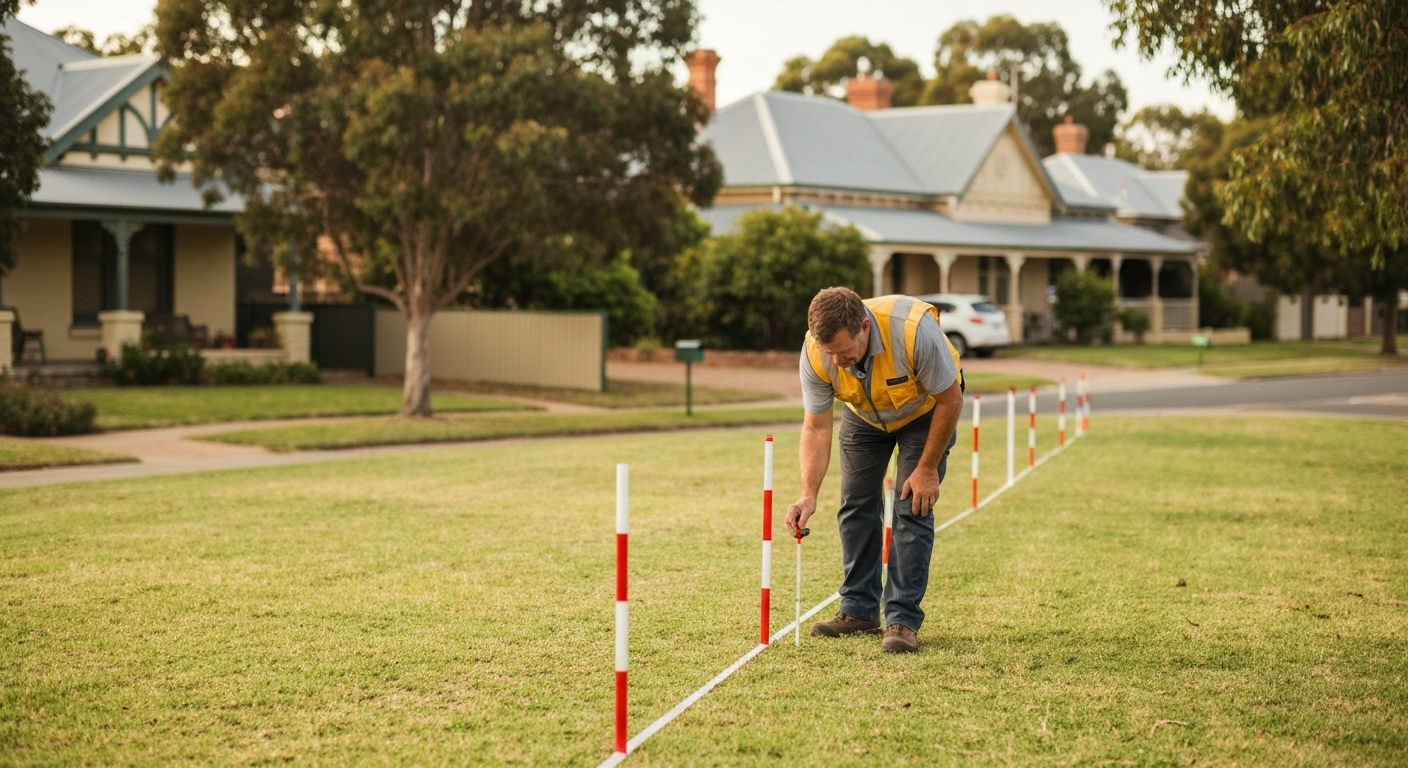
The minimum block size required for subdivision in Adelaide varies depending on the council and the specific zone the land falls within. Generally, for a piece of land to be eligible for subdividing, a size larger than 700 square metres is deemed sufficient. Detailed requirements are available through relevant council websites and the Planning and Development Fund. The subdivision process itself involves obtaining the necessary consent from the local council through a planning application and engaging a professional surveyor.
Infrastructure and Service Considerations
Before subdivision can proceed, there must be proper planning for infrastructure and services, such as water, sewer, electricity and roads. Moreover, easements may need to be established to grant access to these services across the newly formed allotments. It is essential that each new plot can connect to existing infrastructure or that plans are made for the development of required new infrastructure to service the new allotments.
Legal and Professional Guidance
When subdividing land in Adelaide, it is crucial to engage with property professionals and understand the legal requirements of the process to ensure compliance and success.
Engaging with Property Professionals
Subdivision of property involves several professionals to navigate the intricacies of land division. A professional surveyor is necessary to prepare the plan of division and ensure accurate measurements. It is also recommended to work with an experienced conveyancer, who can deal with the legal aspects of subdividing land, including conveyancing and liaising with the Lands Titles Office.
Compliance with Legal Requirements
Adherence to legal requirements is paramount for the subdivision process. The Planning, Development and Infrastructure Act sets the foundation for land subdivision regulations in Adelaide. Every subdivision must be approved by the State Commission Assessment Panel (SCAP) or the relevant local council, with submissions that meet the planning criteria.
Executing Subdivision Projects
Executing a subdivision project involves a series of precise operational steps, from initial design to obtaining separate titles.
Operational Steps of Subdividing Land
Subdividing land requires careful planning and execution. The initial phase consists of:
- Determining eligibility: Properties usually need to be at least 700sqm in land size in Adelaide.
- Design preparation: Appropriate building designs must cater to specific requirements.
- Approvals and permits: Before any physical changes, planning consent is required from the relevant authorities.
- Infrastructure and access: This involves the creation of access roads or driveways.
- Demolition (if applicable): If existing structures are present, demolition will need to take place.
Creating Separate Titles and Finalisation
Once the physical division of the land is complete, the procedural steps to legally recognise the subdivision can commence:
- Lodgement of maps and plans: Detailed subdivision maps and plans are lodged with the Lands Titles Office for review.
- Engagement of a conveyancer: A professional conveyancer can guide the subdivision process.
- Separate titles issuance: Following approval, the Lands Titles Office issues separate titles for each new parcel of land.
Frequently Asked Questions
What are the legal requirements for subdividing land within Adelaide City Council?
The Adelaide City Council has set regulations that property owners must follow when subdividing land. It's essential to meet the minimum lot size and ensure compliance with local development plans.
What is the process for subdividing property in the Salisbury Council region?
In the Salisbury Council region, the subdivision process involves submitting a development application that adheres to the council's planning criteria, including minimum lot sizes.
How does the cost of land subdivision in South Australia typically break down?
The costs associated with land subdivision in South Australia are multi-faceted, covering planning and development fees, contributions to the Planning and Development Fund, and charges for requisite services. These costs vary based on subdivision scale and complexity.
What regulations govern land subdivision in the Port Adelaide Enfield area?
Subdivision in the Port Adelaide Enfield area is governed by local development plans, which stipulate requirements related to land use, allotment sizes, and other standards. Compliance with these regulations is compulsory for successful subdivision approval.
What are the Tea Tree Gully council's regulations pertaining to land subdivision?
The Tea Tree Gully council enforces its own set of subdivision rules, which can include provisions for minimum allotment sizes and contributions for public amenities or open spaces. It's crucial for property owners to review the specific regulations prior to initiating a subdivision.
Can you outline the minimum lot size needed for strata titling in South Australia?
The minimum lot size for strata titling varies within South Australia and depends on the council area and applicable zoning codes. However, general guidelines suggest that properties over 700sqm may be considered suitable for subdivision, with further consultation from local councils recommended to confirm specific requirements.
Need help with your subdivision project?
Contact Us for a Free Quote